
Exploring Nature's Impact on Well-Being: A Gentle Reflection

When I think about the moments that have brought me peace, clarity, or a gentle lift in spirit, many of them have unfolded outdoors. The soft rustle of leaves, the hum of bees busy at work, the warmth of sunlight filtering through branches - these simple experiences have a way of soothing the mind and heart. It’s no surprise that many people find comfort and healing in nature. Today, I want to share some thoughts on how nature’s impact on well-being can be a quiet, nurturing force in our lives.
Understanding Nature's Impact on Well-Being
Nature has a unique way of touching us deeply. It invites us to slow down, breathe, and simply be present. Scientific studies have shown that spending time in natural settings can reduce stress, lower blood pressure, and improve mood. But beyond the numbers, there’s a gentle magic in the way nature encourages us to reconnect with ourselves.
For example, walking barefoot on grass or feeling the cool breeze on your skin can ground you in the present moment. Listening to birdsong or watching bees pollinate flowers can remind us of the delicate balance of life and our place within it. These experiences can help ease feelings of anxiety or sadness by shifting our focus away from worries and toward the beauty around us.
If you’re feeling overwhelmed, try this simple practice: find a quiet spot outside, sit comfortably, and take five slow, deep breaths. Notice the colors, sounds, and scents around you. Let your thoughts come and go like clouds in the sky. This small act of mindfulness in nature can be a powerful step toward emotional calm.
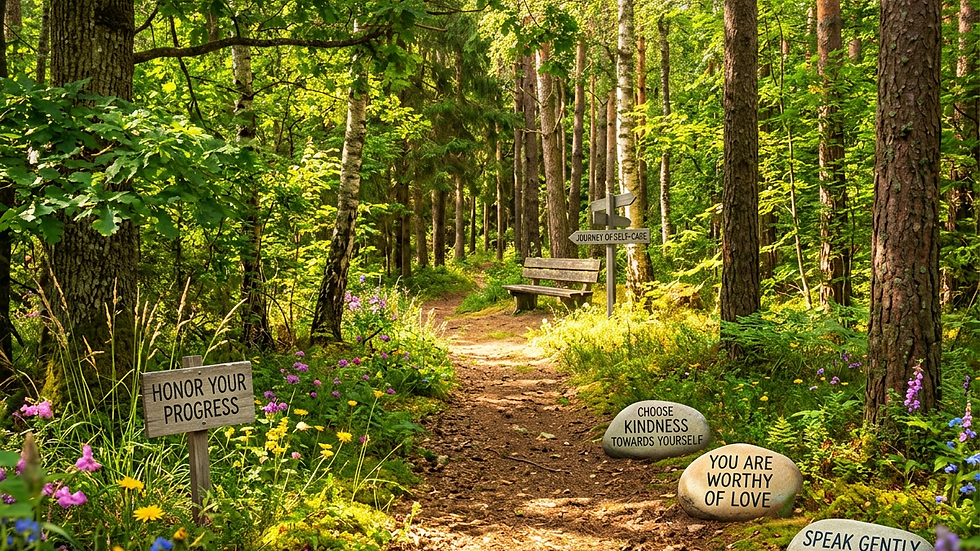
How Nature Encourages Kindness to Ourselves
One of the most beautiful things about spending time in nature is how it inspires kindness - not just toward the world around us, but toward ourselves. When we observe the gentle work of bees or the resilience of wildflowers, we are reminded that growth and healing take time. This can encourage us to be patient and gentle with our own mental health journey.
I often find that nature teaches me to speak kindly to myself. Instead of harsh self-criticism, I try to offer words of encouragement, much like I would to a friend. For instance, if I’m feeling down, I might say, “It’s okay to rest today. You are doing your best.” This shift in self-talk can make a big difference in how we experience our emotions.
Here are a few ways to nurture kindness toward yourself inspired by nature:
Write a gentle note to yourself as if you were writing to a dear friend.
Spend time observing bees or flowers, appreciating their quiet strength.
Practice mindful breathing outdoors, focusing on the rhythm of your breath and the natural world.
These small acts can help build a foundation of self-compassion that supports mental well-being.
Are Outdoorsy People Happier?
It’s a question I’ve often wondered about - do people who spend more time outdoors tend to be happier? While happiness is complex and influenced by many factors, there is evidence that regular contact with nature can boost mood and reduce feelings of depression.
People who engage in outdoor activities like hiking, gardening, or simply walking in a park often report feeling more energized and less stressed. The physical movement combined with fresh air and natural surroundings creates a positive feedback loop for both body and mind.
But it’s not about being an “outdoorsy” person in the traditional sense. Even small moments outside - sitting on a bench under a tree, watching bees pollinate flowers, or tending to a small garden - can bring joy and a sense of connection.
If you’re curious about exploring this for yourself, here are some gentle ways to start:
Take a short daily walk in a nearby green space.
Observe the natural world around you, like the patterns of leaves or the flight of bees.
Create a small outdoor nook where you can sit quietly and reflect.
Remember, it’s not about pushing yourself but about inviting nature’s calm into your life in a way that feels nurturing.

The Science Behind Nature and Mental Health
While my personal experiences with nature have been deeply healing, it’s comforting to know that science supports these benefits too. Research shows that spending time in natural environments can:
Lower cortisol levels, which are linked to stress.
Improve attention and focus, especially in children and adults with attention difficulties.
Boost feelings of happiness and reduce symptoms of anxiety and depression.
One fascinating aspect is how nature can help restore our mental energy. In busy, urban environments, our brains often work hard to filter out distractions. Nature, with its softly fascinating stimuli like rustling leaves or flowing water, allows our minds to rest and recover.
This restorative effect can be especially important for those managing mental health challenges. It offers a gentle, accessible way to support emotional balance without pressure or judgment.
Embracing Nature’s Lessons in Daily Life
Incorporating nature’s gifts into daily life doesn’t require grand adventures or long hikes. It can be as simple as:
Opening a window to let fresh air in and listen to the sounds outside.
Growing a small plant or flower on a windowsill or balcony.
Noticing the bees visiting your garden or local park, appreciating their vital role in the ecosystem.
These small moments can serve as reminders that you are part of a larger, interconnected world. They encourage us to be mindful of our words, thoughts, and actions - toward ourselves and others.
If you ever feel unseen or unheard, nature can be a patient companion. It listens without judgment and offers quiet encouragement. Like the bees that tirelessly work to sustain life, you too have a unique and important role in this world.
I hope these reflections inspire you to find gentle ways to invite nature’s healing into your life. Remember, every step outside is a step toward kindness - to yourself and the world around you.
Thank you for sharing this space with me. May your journey be filled with moments of peace, connection, and gentle growth.

Comments